The Ultimate Guide to Everything You Need to Know About Apples
Apples are one of the most popular fruits worldwide, enjoyed by millions every day. Their crisp texture, sweet to tart flavors, and versatility make them a staple in kitchens and markets. But apples are more than just a tasty snack. They carry rich history, diverse varieties, health benefits, and unique uses that many people don’t fully appreciate. This guide covers everything you need to know about apples, from their origins to how to select, store, and enjoy them.
The History and Origin of Apples
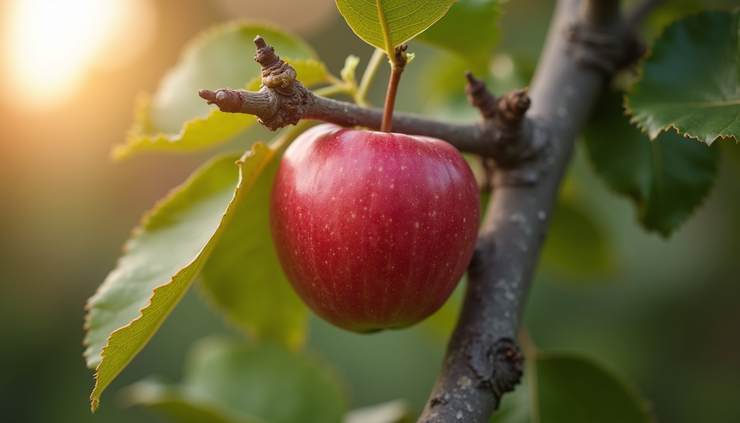
Apples have been cultivated for thousands of years, with their origins tracing back to Central Asia, particularly Kazakhstan. Wild apple trees still grow there today. From this region, apples spread through trade routes to Europe and beyond. The fruit became a symbol of health and knowledge in many cultures.
European settlers brought apple seeds to North America in the 17th century, where apple orchards flourished. Today, apples grow in temperate climates worldwide, with the United States, China, and Poland among the top producers.
Popular Apple Varieties and Their Uses
There are over 7,500 known apple varieties, each with unique flavors, textures, and colors. Here are some popular types and what they are best for:
Red Delicious Sweet and mild, best eaten fresh. Its bright red skin is iconic but the flavor can be bland for some.
Granny Smith Tart and crisp, ideal for baking and salads. Its green skin and firm flesh hold up well under heat.
Fuji Very sweet and juicy, great for snacking and juicing. Fuji apples have a dense texture and long shelf life.
Honeycrisp Balanced sweet-tart flavor with a crisp bite. Perfect for fresh eating and salads.
Gala Mildly sweet and aromatic, often used in desserts and fresh eating.
Each variety suits different tastes and recipes. For example, Granny Smith apples add a refreshing tartness to pies, while Fuji apples make excellent fresh snacks.
Nutritional Benefits of Apples
Apples provide a range of nutrients that support health:
Dietary fiber Apples contain both soluble and insoluble fiber, which aid digestion and help maintain healthy cholesterol levels.
Vitamin C This antioxidant supports the immune system and skin health.
Phytonutrients Apples have flavonoids and polyphenols that may reduce inflammation and protect against chronic diseases.
Low calories A medium apple has about 95 calories, making it a satisfying, low-calorie snack.
Research suggests eating apples regularly can support heart health, reduce the risk of diabetes, and promote gut health. The fiber in apple skins is especially beneficial, so it’s best to eat apples unpeeled when possible.
How to Choose and Store Apples
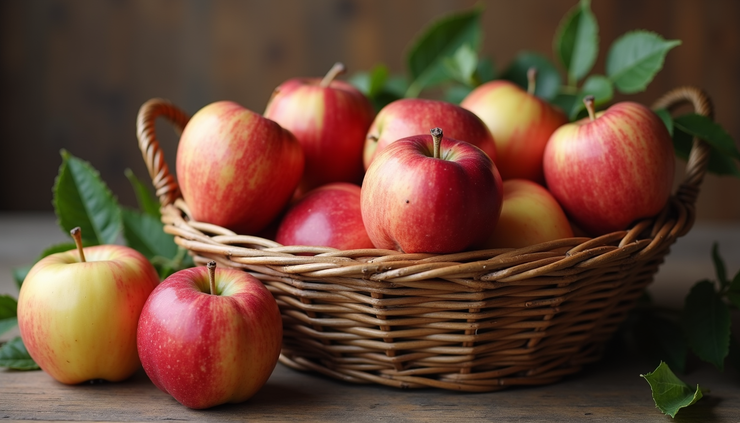
Selecting fresh apples is key to enjoying their best flavor and texture. Look for these signs:
Firmness: Apples should feel solid without soft spots or bruises.
Color: Depending on the variety, vibrant color indicates ripeness.
Smell: A sweet, fresh aroma signals good quality.
To store apples:
Keep them in a cool, dark place or in the refrigerator crisper drawer.
Separate apples from other fruits like bananas, which release ethylene gas that speeds ripening.
Store apples in a plastic bag with holes or a breathable container to maintain moisture.
Proper storage can keep apples fresh for several weeks.
Creative Ways to Use Apples
Apples are incredibly versatile in the kitchen. Here are some ideas beyond eating them raw:
Baking Use apples in pies, crisps, muffins, and cakes. Their natural sweetness reduces the need for added sugar.
Cooking Add sliced apples to salads, roasted vegetables, or pork dishes for a sweet contrast.
Juicing and Cider Fresh apple juice and hard cider are popular beverages made from pressed apples.
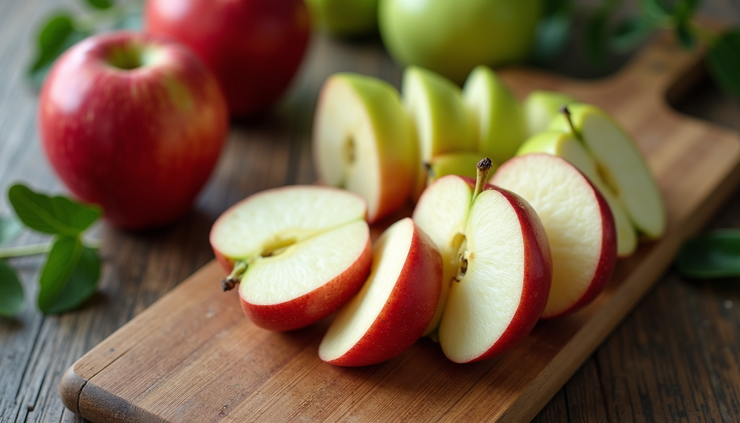
Snacks Try apple slices with nut butter or dried apple chips for healthy snacks.
Sauces and Preserves Homemade applesauce or apple butter can be stored and enjoyed year-round.
Experimenting with different apple varieties in recipes can change the flavor profile and texture of dishes.
Fun Facts About Apples
Apples float in water because 25% of their volume is air.
The science of apple growing is called pomology.
The apple tree takes about 4 to 5 years to produce its first fruit.
The largest apple ever picked weighed over 4 pounds.
Apple seeds contain a small amount of amygdalin, which can release cyanide, but you would need to eat a very large number to be harmful.
Apples are more than just a fruit; they are a part of culture, cuisine, and health. Whether you enjoy them fresh, baked, or juiced, apples offer something for everyone. Next time you pick up an apple, remember the rich history and benefits packed into that simple fruit. Try exploring new varieties or recipes to discover your favorite way to enjoy apples.



Comments