Should You Mulch or Rake Leaves This Fall
A yard full of leaves can look beautiful for a day or two, then it turns into a soggy mat that blocks light, traps moisture, and makes weekend cleanup feel endless. The good news is that fall leaves are not just waste. Handled the right way, they can feed soil, protect garden beds, and cut down on the number of bags at the curb.
So, should you mulch or rake leaves this fall? Most yards need a mix of both. Mulch the leaves you can use, and rake the leaves that are too thick, wet, or in the wrong place.

Mulching leaves is usually the best first choice
Mulching means chopping leaves into small pieces with a mower, leaf shredder, or string trimmer in a bin. Once shredded, leaves break down faster and return organic matter to the soil.
For many lawns, this is the simplest and most useful fall cleanup method. A light layer of dry leaves can be mowed into the grass until the pieces fall between the blades. Over time, those fragments help improve soil texture and feed soil life.
Mulching also saves work. Instead of raking, bagging, and hauling every leaf, you handle much of the cleanup in place. That matters during a Canadian fall, when one windy afternoon can undo a full morning of raking.
Mulching works best when:
Leaves are dry or only slightly damp
The layer is thin enough that grass still shows through
Your mower can chop the leaves into small pieces
You mow more than once during peak leaf drop
If the leaves are still sitting on top in large pieces after mowing, make another pass in a different direction. If the lawn looks buried, rake some away first and mulch the rest.
Raking still has a place in fall cleanup
Mulching is useful, but it is not a free pass to leave every pile where it falls. Thick leaf cover can smother turf, especially if rain or early snow presses it into a dense layer. That can leave bare spots, mould issues, and weak grass in spring.
Raking is the better choice when leaves are:
Piled several centimetres deep
Wet, heavy, and clumped together
Covering newly seeded grass
Sitting on walkways, driveways, patios, or decks
Blocking storm drains or roadside gutters
Packed around low-growing evergreens
Rake these areas before they freeze into place. Leaves on hard surfaces can become slippery. Leaves in drains can slow water flow during heavy fall rain. Leaves packed against wood steps, fences, and deck boards can hold moisture where you do not want it.

Use raked leaves instead of throwing them all away
Raked leaves do not need to go straight into yard waste bags. In many cases, they are more useful in the garden.
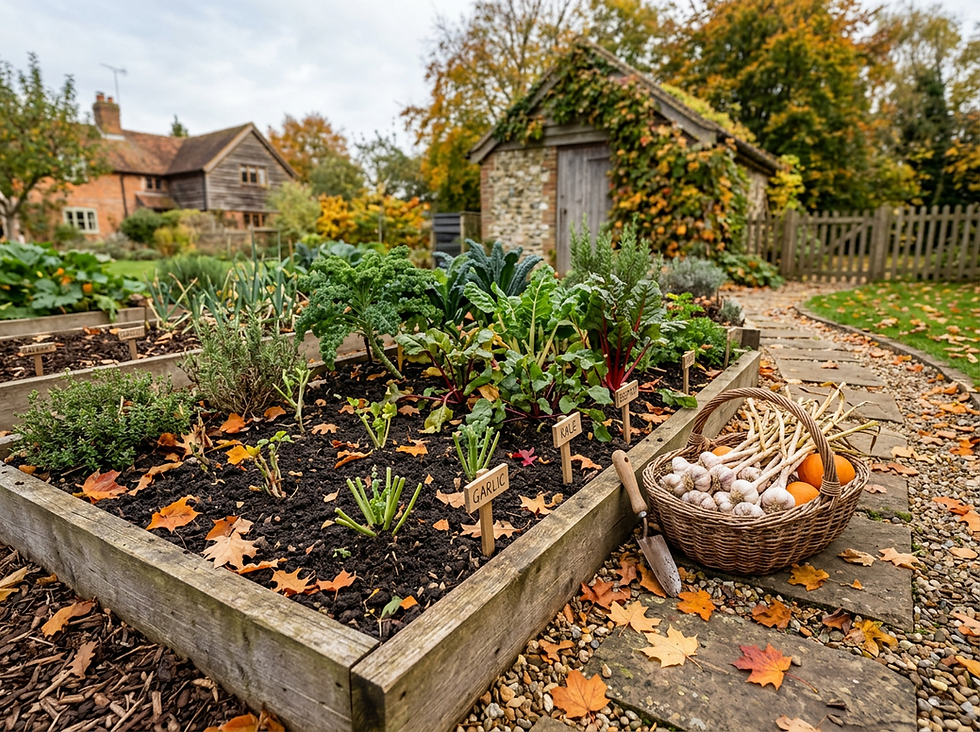
Shredded leaves make an excellent winter cover for garden beds. Spread them around perennials, shrubs, and bare soil after the ground cools. They help protect soil from erosion and add organic matter as they break down.
They also belong in compost. Dry leaves are a “brown” compost material, which balances “green” materials like vegetable scraps, fresh plant trimmings, and grass clippings. Keep a pile of chopped leaves near the compost bin so you can add them through the year.
You can also make leaf mould, which is simply decomposed leaves. Pile shredded leaves in a wire bin or tucked-away corner, keep them lightly moist, and let nature do the work. The result is a dark, crumbly material that improves garden soil.
One caution: avoid using leaves from diseased plants as mulch right around similar plants. If a tree or shrub had a serious fungal issue, it is safer to collect those leaves for municipal yard waste if your area accepts them.
How to decide what your yard needs
The easiest way to choose is to look at the depth of the leaves, not the calendar.
If you can still see plenty of grass through the leaves, mulch them. If the grass has disappeared under a thick blanket, rake some off. Then mow what remains.
Choose mulching when
Leaves are light, dry, and spread across the lawn. The mower can chop them into small pieces in one or two passes.
Choose raking when
Leaves are thick, wet, slippery, or sitting in piles. They are covering drains, paths, new grass, or delicate plants.
Tree type also matters. Small, thin leaves break down quickly. Large leathery leaves, such as oak leaves, often need shredding before they settle into soil. Maple leaves can mat together when wet, so they are easier to manage if you mow or rake them before a long rainy stretch.

A simple fall leaf plan
You do not need to clear the whole yard in one exhausting day. A steady routine works better.
Start by mowing over light leaves once a week while they are falling. Keep the mower blade high enough to avoid scalping the grass, and mow when leaves are dry if possible.
Next, rake heavy piles from corners, fence lines, garden edges, and under trees. Shred those leaves if you can, then move them to beds, compost, or leaf mould piles.
Before winter settles in, do one final check. Clear leaves from sidewalks, steps, window wells, drains, and low spots where water collects. Leave a moderate layer in garden beds, but do not bury plant crowns or pile leaves tightly against tree trunks.

The best answer is usually both
For most homes, the smartest fall leaf strategy is not mulch versus rake. It is mulch first, then rake where needed.
Mulch light, dry leaves into the lawn so they can return nutrients and organic matter to the soil. Rake thick, wet, or poorly placed leaves before they create problems. Use the raked leaves in compost or garden beds instead of treating them like trash.
That way, fall cleanup becomes less about fighting leaves and more about putting them to work.


Comments