Natural Fertilizers for Fall Gardening Compost Manure and Bone Meal Tips
Fall is one of the best times to feed the soil, even when the garden looks like it is winding down. Cooler weather slows top growth, but underground life is still active. Roots keep developing, microbes keep working, and organic matter has time to settle in before spring planting.
Natural fertilizers fit this season especially well. They do not usually give plants a quick, flashy push the way some synthetic fertilizers can. Instead, they build better soil structure, feed beneficial organisms, and release nutrients slowly. That is exactly what a fall garden needs.
Compost, aged manure, bone meal, and other natural amendments can help restore nutrients after a long growing season. Used well, they also improve moisture retention, drainage, and root strength. The key is knowing what each one does, when to apply it, and how much is enough.

Fall is a soil-building season
Spring gets most of the attention, but fall gives soil a quiet head start. After vegetables, annuals, and perennials have drawn nutrients from the ground all summer, the beds need replenishing. Natural fertilizers add food back to the system while the soil is still warm enough for biological activity.
In many parts of Canada, the best window is after harvest and before the ground freezes hard. That might mean September in colder regions and well into October or November in milder areas. The goal is simple: apply amendments while the soil can still be worked, then let rain, frost, worms, and microbes help carry nutrients into the root zone.
Fall feeding works especially well because:
Organic matter has time to break down
Compost and manure mellow through freeze-thaw cycles and winter moisture.
Nutrients are ready when spring arrives
Slow-release amendments begin working before planting season gets busy.
Soil structure improves over winter
Organic materials help clay loosen and sandy soil hold more moisture.
Perennials and bulbs benefit from root support
Many plants keep growing roots after leaves fade.
Natural fertilizers are not all the same, though. Some are gentle and broad, while others target specific nutrients. A mixed approach often works best.
Compost is the all-purpose fall favourite
Compost is the backbone of natural soil care. It is made from broken-down organic materials such as leaves, kitchen scraps, garden trimmings, straw, and plant waste. Finished compost should look dark and crumbly, with an earthy smell. If it still smells sour or has recognizable food scraps, it needs more time.
Compost is not usually a high-powered fertilizer. Its strength is broader than that. It improves the whole soil environment.
Why compost helps in fall
Compost feeds microbes, fungi, earthworms, and other soil organisms. These organisms help turn organic matter into nutrients plants can use. Compost also improves the physical feel of soil.
Heavy clay becomes easier to work because compost creates spaces for air and water. Sandy soil holds moisture better because organic matter acts like a sponge. In raised beds, compost helps replace the organic matter that breaks down during the growing season.
For fall gardens, compost is ideal because it can be added almost anywhere:
Empty vegetable beds
Around perennials
Under shrubs
Around fruit trees
On top of bulb planting areas
In containers that will be refreshed for next year
How to apply compost
For empty garden beds, spread a layer about 2 to 5 cm deep over the surface. You can lightly mix it into the top few centimetres of soil, or leave it as a topdressing. No-dig gardeners often prefer to leave compost on the surface and let soil life do the mixing.
Around perennials and shrubs, spread compost like a shallow blanket. Keep it a few centimetres away from crowns and stems so moisture does not sit against the plant. For fruit trees, apply compost under the drip line, which is the area below the outer reach of the branches, rather than piling it at the trunk.
If the garden is weedy, pull or cut weeds before spreading compost. This gives the soil the benefit without feeding unwanted growth.
When to apply compost
Apply compost after final harvest or after cutting back summer annuals. In cold regions, aim for early to mid-fall so the compost has time to settle before the ground freezes. In milder areas, compost can go down later as long as the soil is not waterlogged or frozen solid.
A light spring top-up is still useful, but a fall application reduces the rush when planting season arrives.
Manure adds nutrients and organic matter
Manure has been used in gardens for generations because it adds both nutrients and bulk organic matter. It can improve soil health and support strong plant growth, especially in beds that have carried heavy feeders like tomatoes, squash, corn, pumpkins, and brassicas.
The most common garden manures come from cows, horses, sheep, goats, chickens, and rabbits. Each one has a different nutrient profile. Chicken manure is usually stronger than cow or horse manure, while rabbit manure is often considered gentler. Still, the most important rule is the same for all types: use aged or composted manure unless you know exactly what you are doing.
Fresh manure can be too strong for plants. It may burn roots, smell unpleasant, attract pests, and carry pathogens. It may also contain weed seeds, especially horse manure, depending on the bedding and feed source.
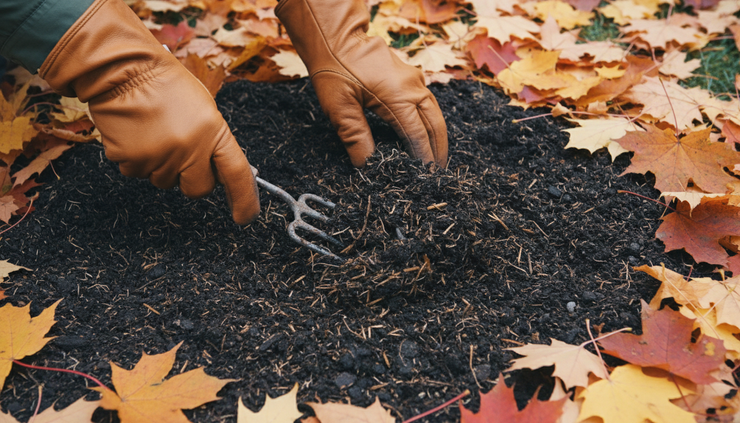
Why manure works well before winter
Aged manure releases nutrients slowly as it continues to break down. It can supply nitrogen, phosphorus, potassium, and trace minerals, though the exact amounts vary by animal source and how the manure was stored.
Fall gives manure time to integrate into the soil before spring planting. This is especially helpful in vegetable gardens because it reduces the chance of direct contact between fresh organic material and edible crops.
Manure also boosts soil structure. Like compost, it helps soil hold moisture while improving drainage. Over time, regular light applications can make tired beds more productive and easier to dig.
How to apply manure safely
Use composted or well-aged manure that looks dark and broken down. It should not smell sharp or fresh. Bagged composted manure from a garden centre is usually easier to handle for small gardens. Bulk manure can be economical for larger beds, but quality varies, so ask whether it has been aged and whether herbicide-treated hay or bedding may be present.
For most beds, spread a thin layer, often about 1 to 3 cm deep, then mix it lightly into the topsoil or cover it with leaves, straw, or mulch. More is not always better. Too much manure can overload soil with nutrients, especially phosphorus, and may contribute to runoff.
Use extra care around root crops and leafy greens. If applying manure to vegetable beds, fall is safer than spring because more time passes before harvest. For edible crops, many gardeners follow conservative food safety habits and avoid applying uncomposted manure close to planting or harvest.
Best places to use manure
Manure is helpful in beds that will grow nutrient-hungry crops next year, such as:
Tomatoes
Peppers
Cabbage
Broccoli
Squash
Cucumbers
Corn
Pumpkins
It is also useful when starting new beds, as long as it is aged and blended with other organic materials.
Avoid heavy manure applications around plants that prefer leaner soil, such as many Mediterranean herbs. Lavender, thyme, and rosemary often dislike rich, wet soil, especially over winter.
Bone meal supports roots, bulbs, and blooms
Bone meal is made from ground animal bones. It is used mainly as a phosphorus source, and it also contains calcium. In the garden, phosphorus supports root development, flowering, and bulb growth.
That makes bone meal a common fall amendment for garlic, spring-flowering bulbs, peonies, roses, and transplanting perennials. It is not a complete fertilizer, though. It serves a specific role.
When bone meal is useful
Bone meal is most helpful when soil actually needs phosphorus. Many established gardens already have enough, especially if compost or manure has been used for years. Adding more will not improve growth if phosphorus is already sufficient.
A soil test is the best guide. Without one, use bone meal sparingly and only where it makes sense. Bulb planting is a common example because bulbs need strong root growth before winter.
Bone meal works best in soil that is slightly acidic to neutral. In alkaline soil, phosphorus can become less available to plants. Gardeners in areas with naturally alkaline soil may not see much benefit from bone meal, even if they apply it correctly.
How to apply bone meal
Follow the package directions because products vary. In general, bone meal should be mixed into the soil near the root zone rather than sprinkled loosely on the surface.
For bulbs, place it in the planting area and mix it with soil before setting the bulbs in place. Do not let bulbs sit directly on a concentrated pile of bone meal. For perennials or shrubs, blend it into the planting hole soil rather than dumping it at the bottom.
Keep bone meal away from pets and wildlife. Dogs may be drawn to the smell, and digging can follow. Water the area after applying, then cover it with soil or mulch.

Other natural fertilizers can round out the mix
Compost, manure, and bone meal cover many fall needs, but they are not the only options. A few other natural amendments can help depending on the soil and the plants.
Natural fertilizer | Best fall use | Main benefit |
Leaf mould | Mulching beds and improving soil texture | Adds gentle organic matter and improves moisture retention |
Worm castings | Containers, seedlings, and perennial crowns | Gentle nutrients and microbial support |
Kelp meal | Vegetable beds and perennials | Trace minerals and general plant support |
Rock phosphate | Long-term phosphorus support where tests show a need | Slow-release mineral phosphorus |
Alfalfa meal | Perennial beds and soil building | Adds nitrogen and organic matter as it breaks down |
Wood ash | Acidic soils, used sparingly | Adds potassium and raises pH |
Leaf mould deserves special mention in fall because leaves are everywhere. Shredded leaves can be piled to break down into a soft, crumbly soil conditioner. They can also be used right away as a winter mulch. Whole leaves may mat together, so shredding them with a mower helps air and water move through.
Wood ash needs caution. It can raise soil pH, which is useful in some acidic soils but harmful in others. Use only ash from clean, untreated wood, and apply it lightly. Never use ash from painted, stained, or pressure-treated wood.
How to apply natural fertilizers without overdoing it
Natural does not mean unlimited. Compost is forgiving, but manure, bone meal, and mineral amendments can be overapplied. Too much fertility can lead to weak growth, nutrient imbalance, salt buildup, or runoff into nearby waterways.
A simple fall plan works better than a heavy-handed one.
Start with the soil you have
Look at how the garden performed during the season. Pale leaves, weak growth, poor flowering, and low yields can point to nutrient issues, but they can also come from drought, compaction, shade, pests, or pH problems.
A soil test gives the clearest answer. It can show pH, organic matter, and major nutrient levels. If testing is not available, take a modest approach. Add compost widely, use manure only where heavier feeding crops will grow, and reserve bone meal for bulbs or confirmed phosphorus needs.
Match the fertilizer to the planting area
Different parts of the garden need different treatment.
Vegetable beds often benefit from compost and a light layer of aged manure. Perennial borders usually do well with compost around the crowns and mulch over top. Bulb beds may get compost plus a small amount of bone meal. Shrubs and trees need wider, shallow feeding zones, not piles against trunks.
Containers need special care. Old potting mix loses structure and nutrients over time. In fall, remove dead roots and refresh containers with compost. If the container will sit outside through winter, make sure it drains well so roots do not sit in freezing water.
Protect the soil after feeding
Once amendments are down, cover bare soil. Winter rain, wind, and freeze-thaw cycles can wear away exposed beds. Mulch holds everything in place.
Good fall mulches include:
Shredded leaves
Straw
Pine needles
Finished compost
Leaf mould
Chopped plant debris from healthy crops
Keep mulch loose rather than packed. Around perennials, leave a little breathing room near crowns. Around trees and shrubs, keep mulch away from bark to prevent rot and rodent damage.
Water if the fall is dry
Natural fertilizers need moisture to begin breaking down. If autumn has been dry, water the bed after applying compost, manure, or bone meal. The soil does not need to be soaked, just evenly moist.
Do not work amendments into soggy soil. Wet soil compacts easily, especially clay. If the soil sticks heavily to your boots or tools, wait for a better day.

A simple fall feeding schedule
A clear schedule makes fall fertilizing easier. Adjust the timing based on local frost dates and soil conditions.
Early fall
Remove spent annuals and diseased plant material. Add compost to empty beds. Plant cover crops if there is enough time for germination. Refresh containers that will be used for fall displays.
Mid-fall
Apply aged manure to vegetable beds that will grow heavy feeders next year. Plant garlic and spring bulbs, using compost and bone meal where appropriate. Topdress perennials with compost after cutting back dead growth.
Late fall
Mulch beds with shredded leaves, straw, or leaf mould after the soil cools. Protect bare soil before winter weather settles in. Avoid heavy fertilizing once the ground is frozen or waterlogged.
After the first hard frosts
Focus on protection rather than feeding. Add loose mulch where soil is exposed. Save major soil work for spring if conditions are too wet or frozen.
This rhythm keeps the garden active without forcing growth at the wrong time. Fall fertilizer should support roots and soil life, not push tender new leaves that will be damaged by frost.
Build better soil one season at a time
The best fall fertilizer plan is balanced and patient. Use compost as the steady foundation. Add aged manure where the soil needs a richer boost. Use bone meal with purpose, especially for bulbs and root support, rather than treating it as a cure-all.
Healthy garden soil improves over years, not days. Each fall application adds to that progress. A few centimetres of compost, a careful layer of aged manure, and a protective blanket of leaves can turn tired beds into soil that is easier to work and better prepared for spring.
Feed the soil now, and next year’s garden starts with a stronger foundation before the first seed packet is opened.


Comments