How to Prepare Your Pond for Winter
A pond can look quiet in late fall, but a lot is happening under the surface. Leaves are sinking, plants are dying back, fish are slowing down, and cold water is starting to hold less biological activity. If you leave everything until the first hard freeze, winter can turn small pond problems into spring headaches.
The goal is simple: keep the water clean, protect pumps and equipment, and give fish and beneficial bacteria the safest conditions possible until temperatures rise again. The work does not have to be complicated, but timing matters. Start once water lilies are fading, nights are consistently cool, and trees are shedding leaves.
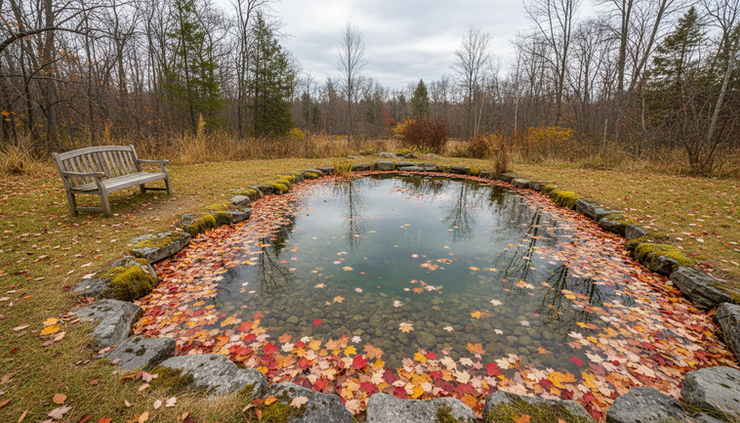
Clear out organic debris before it sinks
Leaves, dead stems, grass clippings, and uneaten fish food all break down in the water. In summer, filters and bacteria often keep up. In winter, the pond’s natural processes slow down, and that same debris can lower water quality.
Start with the obvious mess first. Use a pond net or skimmer net to remove floating leaves. Work slowly so you do not stir up too much sediment from the bottom. If the pond has a shallow shelf, check behind rocks and plant pots where leaves tend to collect.
For ponds under trees, a leaf net can save hours of cleanup. Stretch it across the pond before the heaviest leaf drop, then lift and empty it often. Do not let a sagging net sit in the water, since wet leaves can still decay and small wildlife may get trapped.
A simple fall cleanup should include:
Removing floating leaves and twigs
Trimming yellowing marginal plants
Pulling out dead annual pond plants
Scooping sludge from shallow areas
Cleaning skimmer baskets and pre-filter screens
If there is deep sludge on the bottom, do not try to scrape the pond spotless in one aggressive cleaning. That can disturb fish and beneficial organisms. Remove the worst material, then leave a thin natural layer alone unless the pond has a serious water quality issue.
Clean water going into winter is one of the best protections against spring algae and fish stress. It gives the pond a fresher start when ice melts and sunlight returns.
Cut back plants without stripping the pond bare
Pond plants need different treatment depending on whether they are hardy, tropical, floating, or marginal. The main rule is to remove dying plant matter before it rots in the water, while leaving healthy hardy plants prepared for dormancy.
Hardy water lilies can usually stay in the pond if the crown sits below the expected ice depth. Cut off yellowed pads and stems close to the base, then lower the pot to a deeper section if needed. The plant will rest through winter and regrow in spring.
Tropical lilies and tender plants will not survive freezing water. Treat them as annuals, or overwinter them indoors if you have the right storage conditions. Floating plants such as water hyacinth and water lettuce are also tender in cold regions. Remove them before frost turns them to mush.
Marginal plants need a lighter touch. Cut back soft stems once they brown, but leave a few hollow stems above the water where it makes sense. These can help with gas exchange around the pond edge and provide a bit of winter habitat.
Good fall plant care looks like this:
Hardy lilies Trim old leaves and lower the pots into deeper water.
Tropical plants Remove them before frost or move them indoors if suitable.
Marginal grasses and reeds Cut back dead growth, but avoid scalping the crown.
Floating plants Remove tender varieties before they collapse in cold weather.
Oxygenating plants Thin only if they are excessive, since some submerged growth can still support water quality.

Avoid the urge to heavily prune every plant in sight. A pond should not enter winter full of rot, but it also does not need to look like a bare tub. Healthy roots, crowns, and some natural cover can help the pond feel stable through the cold months.
Adjust feeding and care for fish as water cools
Fish care changes as the water temperature drops. Koi and goldfish are cold-blooded, so their digestion slows with the water. Food that was safe in summer can become a problem in late fall if fish cannot digest it well.
Use a pond thermometer rather than guessing from air temperature. Fall weather can swing widely across Canada, and water changes more slowly than air. As a general guide, switch to a cold-water or wheat germ food when the water cools to around 10 C. Stop feeding once the water stays below about 8 C to 10 C, depending on the feed directions and fish behaviour.
Do not worry if fish become less active. Resting near the bottom is normal in cold water. What they need most is stable, oxygenated water and a pond that does not fill with toxic gases under solid ice.
A few fish care rules matter in winter:
Do not feed fish once they stop actively eating.
Remove any uneaten food right away.
Keep a hole open in the ice for gas exchange.
Do not smash ice with a hammer or shovel.
Watch for low water levels before freeze-up.
Breaking ice by force sends shock waves through the water, which can stress or harm fish. If the surface freezes solid, use warm water in a container to melt a small opening, or rely on a pond de-icer made for outdoor use.
Depth matters too. In colder regions, fish need an area deep enough that the pond does not freeze solid. Many ornamental ponds are built with a deeper zone for this reason. If your pond is shallow and freezes to the bottom, fish should not overwinter outside in it.
A winter pond does not need to stay warm. It needs to stay clean, calm, and open enough for gases to escape.
This is where equipment choices make a big difference.
Prepare pumps, filters, and aeration for freezing weather
Mechanical equipment needs a winter plan before ice arrives. Pumps, filters, UV clarifiers, spitters, and waterfalls all face extra strain from freezing temperatures. Some systems can run all winter. Others should be shut down, cleaned, and stored.
If your waterfall or stream is designed for year-round use, make sure water cannot escape the liner as ice builds along the edges. Ice dams can redirect flow and drain a pond surprisingly fast. Check the water level often during freeze-thaw periods.
For many backyard ponds, the safer option is to shut down the main pump before hard freezing. Remove the pump, clean the intake, inspect the cord, and store it in a frost-free place according to the manufacturer’s instructions. Some pumps should be stored submerged in a bucket of water to protect seals, while others can be stored dry. Follow the manual if you have it.
Filters also need attention. Rinse mechanical mats or pads in pond water, not chlorinated tap water, if you are trying to preserve beneficial bacteria. Empty filter boxes that may crack if water freezes inside them. Disconnect and drain hoses where standing water could expand.
Aeration is often more useful than circulation in winter. A small aerator can keep a gentle opening in the ice and support oxygen exchange. Place the air stone in a shallower area, not at the deepest point. This helps avoid mixing the warmest bottom water with colder surface water.
A de-icer can also help maintain a small opening. It does not heat the whole pond, and it should not. Its job is only to prevent a complete seal of ice. Choose outdoor-rated equipment and inspect cords for wear before use.

Also take a moment to check electrical safety. Outdoor outlets should be protected by a ground fault circuit interrupter. Extension cords should be rated for outdoor use and kept out of standing water. If anything looks cracked, frayed, or unreliable, replace it before winter.
Protect water quality through snow, ice, and thaw
Once the pond is cleaned, plants are trimmed, fish feeding has stopped, and equipment is set, winter maintenance becomes light but still useful. The pond does not need constant fussing. It needs occasional checks.
After heavy snow, clear a small area over the pond if it is safe to do so. Snow blocks light, and light helps submerged plants and algae carry out limited photosynthesis under ice. You do not need to remove every bit of snow. A small cleared window can help.
Keep an eye on water level during mild spells. Leaks, ice dams, and splashing from winter equipment can lower the pond over time. If you need to top up, use dechlorinated water or treat tap water before adding it. Add water slowly so fish are not shocked by a sudden temperature change.
If the pond smells strongly rotten during a thaw, that can point to trapped gases or too much decay. Open water and aeration help prevent this. In severe cases, the bigger fix often comes the next fall: more debris removal, better plant trimming, and less organic buildup going into winter.
Winter is also a good time to note what you want to improve in spring. Maybe the skimmer is too small for the number of nearby trees. Maybe the pond needs a deeper fish refuge. Maybe the plant shelves collect too much muck. Small observations now can guide better decisions later.
Here is a quick seasonal checklist for preparing a pond for winter:
Task | Best timing | Why it matters |
Install a leaf net | Before heavy leaf drop | Keeps organic debris out of the pond |
Trim dying plants | After foliage yellows or browns | Reduces decay in cold water |
Switch fish food | Around 10 C water temperature | Matches slower digestion |
Stop feeding | Below about 8 C to 10 C | Prevents uneaten food and digestive stress |
Clean pumps and filters | Before hard freezing | Protects equipment from damage |
Add aeration or a de-icer | Before ice forms | Maintains gas exchange |
Check water level | During winter thaws | Catches leaks and ice-dam problems early |

A calm pond in winter starts with fall decisions
Winter pond care is mostly about prevention. Remove what will rot, protect what needs to survive, and avoid sudden changes once fish have slowed down. A well-prepared pond may look still under ice, but it is far from neglected.
The best approach is steady and practical. Clean the surface before leaves sink. Cut back plants before frost turns them limp. Stop feeding fish when cold water tells you to. Decide whether pumps should run or be stored. Keep one safe opening in the ice.
Do those things before winter settles in, and spring will be easier. The water will be cleaner, equipment will be in better shape, and fish will have a safer path through the coldest months.


Comments