How to Grow Big Halloween Pumpkins with Expert Soil Watering and Pest Control Tips
A big Halloween pumpkin does not happen by accident. It starts months before carving night, when the soil is still cool, the seed packet looks harmless, and the garden bed seems plenty large. Then the vines take off, the leaves spread like umbrellas, and one swelling pumpkin begins to look like the centrepiece of October.
Growing large pumpkins is a patient, hands-on project, but it is not only for competitive growers. With rich soil, steady water, enough room, and a few smart choices early in the season, a home gardener can grow impressive pumpkins for the porch, the party, or the carving table.
The key is to think like the plant. Pumpkins need warmth, sun, food, moisture, and space. Give them all five, and they will reward you with vigorous vines and heavy fruit by fall.
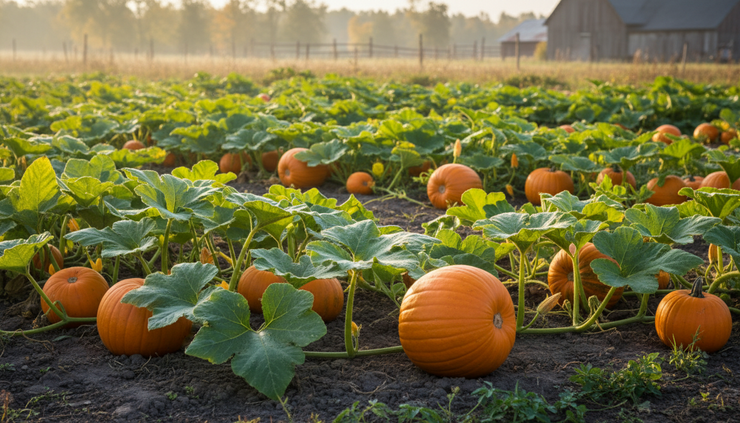
Start with the right pumpkin variety for size
If the goal is a large Halloween pumpkin, variety matters. Some pumpkins naturally grow small and tidy. Others were bred to produce big, round, showy fruit with thick stems and strong colour. Start with genetics that match the result you want.
Good large pumpkin varieties include:
Dill’s Atlantic Giant The classic giant pumpkin variety. It can grow extremely large with careful feeding, pruning, and steady moisture. It is the best choice for growers who want a pumpkin that may become huge rather than just large.
Big Max A reliable, large orange pumpkin with a traditional Halloween look. It often produces fruit big enough to impress without needing the intense care of a competition pumpkin.
Prizewinner A large, round, bright orange variety that works well for display. It is a strong choice for gardeners who want size and good shape.
Howden Biggie Similar in spirit to the well-known Howden carving pumpkin, but larger. It is useful when the goal is a big jack-o’-lantern with a sturdy wall.
Mammoth Gold An older variety known for large fruit and golden-orange colour. It can be a fun option for porch displays.
In much of Canada, look at the days to maturity on the seed packet. Many large varieties need a long season, often around 100 to 120 days or more. In cooler areas, start seeds indoors a few weeks before the last expected frost, then transplant once nights are warm and the soil has heated up.
Aim to plant seedlings outside only after frost risk has passed. Pumpkins dislike cold soil and cold roots. A stunted start in spring can limit the final size in autumn.
Build deep, rich soil before the vines run
Large pumpkins are heavy feeders. They build huge leaves, thick vines, and dense fruit in one season. Poor soil can grow a pumpkin plant, but rich soil grows a pumpkin plant with stamina.
Choose a site with full sun and fertile, well-drained soil. Pumpkins prefer soil that holds moisture without staying soggy. If water pools after rain, improve drainage or plant on low mounds.
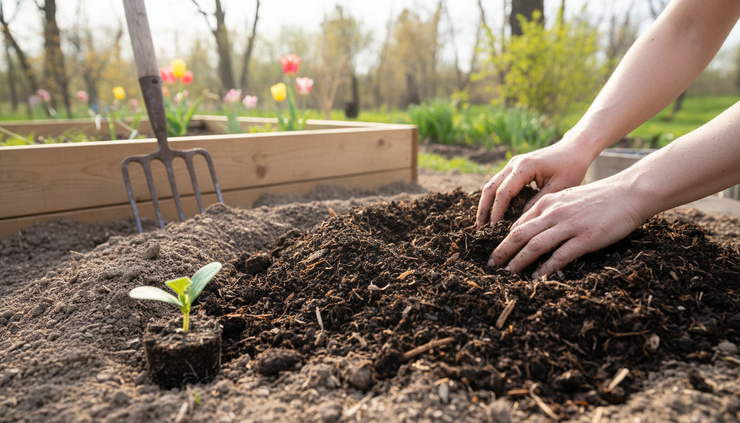
A few weeks before planting, prepare the bed deeply. Pumpkin roots can spread wide and reach down into loosened soil. Work in plenty of organic matter, such as finished compost or well-rotted manure. This improves soil structure, feeds soil life, and helps the bed hold steady moisture during hot weather.
A simple soil preparation plan looks like this:
Task | Why it helps |
Loosen soil 30 to 45 cm deep | Gives roots room to expand and search for water |
Mix in finished compost | Adds nutrients and improves texture |
Shape a broad mound or hill | Warms the soil and improves drainage |
Mulch after the soil warms | Reduces weeds and keeps moisture even |
If possible, test the soil before planting. Pumpkins tend to do best in slightly acidic to neutral soil. A soil test can show whether lime, compost, or specific nutrients are needed. Without a test, avoid guessing with strong amendments. Too much of one nutrient can cause more problems than it solves.
Before transplanting, create a wide planting area rather than a tiny hole. A pumpkin does not stay polite. Its roots and vines will claim a large circle of ground. Preparing that whole area gives the plant a better foundation.
Give pumpkins full sun and generous space
Pumpkins love sunlight. For large fruit, choose the sunniest part of the garden. The plant should receive at least six hours of direct sun each day, with eight or more hours being better for strong growth and ripening.
Sunlight fuels the leaves, and the leaves feed the pumpkin. A vine shaded by trees, fences, or tall crops will struggle to produce a truly large fruit. Even if the plant looks healthy, low light often leads to smaller pumpkins and slower ripening.
Space matters just as much. Large pumpkin vines can run several metres in all directions. Crowded plants compete for water and nutrients. They also trap humidity, which can encourage disease.
Give large varieties plenty of room:
For large carving pumpkins, allow about 1.5 to 2.5 metres between plants.
For giant varieties such as Atlantic Giant, give one plant a generous area of its own.
Keep vines away from narrow walkways, small raised beds, and delicate crops.
Training vines can help. As the main vine grows, guide it gently in the direction you want it to travel. Do not force stiff vines, as they can crack. Small adjustments every few days work better than trying to move a mature vine all at once.
For the biggest single pumpkin, limit how many fruit the plant supports. Once a healthy fruit has formed and started growing strongly, many growers remove extra pumpkins from that vine. This lets the plant direct more energy into one main pumpkin. For Halloween displays, you may prefer two or three good-sized pumpkins instead of one giant. Both approaches work.
When a pumpkin reaches basketball size, slide a piece of cardboard, straw, or untreated wood underneath it. This keeps the bottom cleaner, reduces rot risk, and helps protect the skin from constant contact with wet soil.
Water deeply and keep moisture steady
Pumpkins are thirsty plants, especially once vines are large and fruit begins to swell. The goal is not constant wet soil. The goal is steady, deep moisture.
Shallow watering encourages shallow roots. Deep watering trains roots to grow down, where soil stays cooler and more stable. In dry spells, water slowly and thoroughly so moisture reaches the root zone.
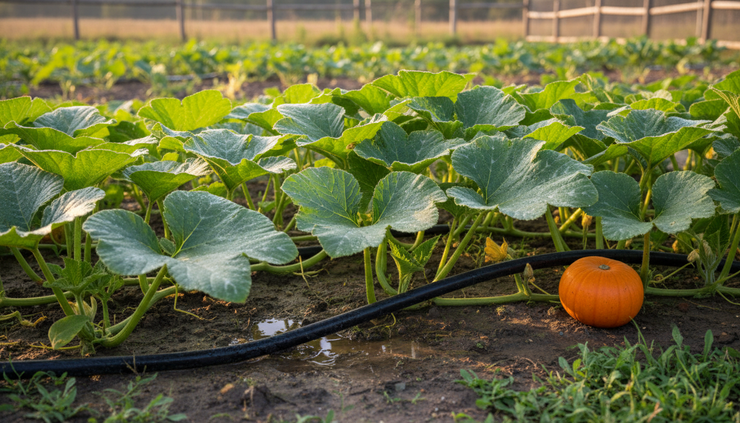
Morning is the best time to water. Leaves dry quickly in the sun, which helps reduce disease pressure. Try to water at the base of the plant rather than spraying the leaves. A soaker hose or drip line works well because it delivers water slowly and evenly.
Good watering habits include:
Check soil moisture by pushing a finger several centimetres into the soil.
Water when the root zone feels dry, not just when the surface looks dusty.
Use mulch to slow evaporation after soil has warmed.
Avoid sudden cycles of drought and heavy watering.
Uneven moisture can stress the plant. It may also contribute to fruit splitting, especially when a dry period is followed by a heavy soaking. Consistency is one of the quiet secrets of big pumpkins.
During hot, dry weather, large pumpkin plants may need frequent watering. In rainy weeks, they may need none. Let the soil guide you. The plant’s leaves can wilt slightly in strong afternoon heat, then recover by evening. If they stay wilted in the morning, the plant likely needs water.
Feed the plant in stages for vines and fruit
Pumpkins need nutrients from planting through ripening, but their needs shift as they grow. Early in the season, the plant needs enough nitrogen to build leaves and vines. Once flowers and fruit develop, it benefits from more emphasis on phosphorus and potassium.
Too much nitrogen late in the season can create a jungle of leaves with fewer pumpkins. The plant looks impressive, but the fruit may lag behind. Feeding should support growth, then fruit development.
A practical feeding rhythm works like this:
Growth stage | Feeding focus | What to do |
Before planting | Balanced soil fertility | Add compost and prepare the bed well |
Vine growth | Leaf and root support | Use a balanced vegetable fertilizer if soil is modest |
Flowering | Blossom and fruit support | Avoid overdoing nitrogen |
Fruit swelling | Potassium and steady moisture | Feed lightly if growth slows and keep watering consistent |
Always follow the label on any fertilizer. More is not better. Overfeeding can burn roots, push weak growth, or run off into nearby waterways.
Compost tea, fish fertilizer, kelp products, and granular vegetable fertilizers are all common options, but they should fit the soil and the plant’s growth stage. If leaves are pale and growth is slow, the plant may need nitrogen or may be struggling with cold soil, poor roots, or wet conditions. If the vine is huge and dark green but fruit is scarce, ease off high-nitrogen feeding.
Pollination also affects pumpkin size. Pumpkins produce male and female flowers. Female flowers have a tiny swelling at the base, which becomes the pumpkin if pollinated. Bees usually handle this, but cool, wet, or windy weather can reduce bee activity.
If fruit starts to form then shrivels, poor pollination may be the cause. Hand pollination can help. Pick a fresh male flower, remove the petals, and gently brush pollen onto the centre of a newly opened female flower in the morning.
This simple step can make a big difference when growing a few prized pumpkins for Halloween.
Control pests before they slow the plant down
Healthy pumpkin plants can handle some insect damage, but pests become a problem when they weaken leaves, damage stems, or spread disease. Early checks are easier than late rescues.
Look under leaves and along stems every few days. Catching problems early keeps the plant growing strongly during the weeks that matter most.
Common pumpkin pests include:
Cucumber beetles These small striped or spotted beetles chew leaves and flowers. They can also spread bacterial wilt. Floating row covers can protect young plants, but remove covers when flowers open so bees can pollinate.
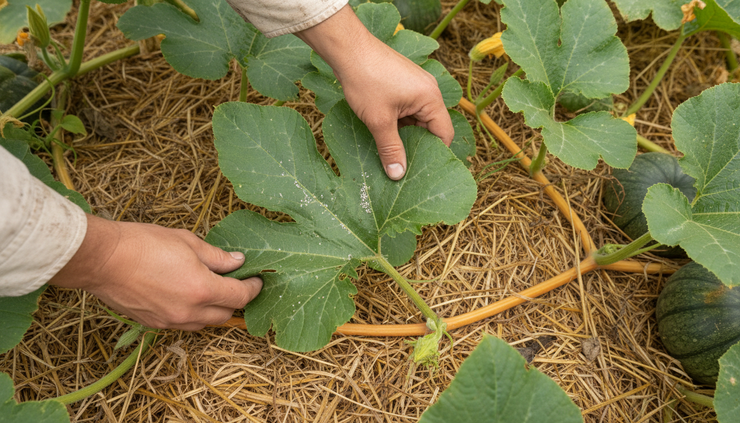
Squash bugs These insects feed on sap and can cause leaves to wilt. Look for clusters of bronze-coloured eggs on the undersides of leaves. Crush eggs early and remove nymphs when you see them.
Squash vine borers These pests tunnel into stems, causing sudden wilting. They are more common in some regions than others. Check the base of vines for entry holes and sawdust-like frass.
Aphids Aphids cluster on tender growth and leaf undersides. A strong spray of water can knock them back. Beneficial insects often help if broad insecticides are avoided.
Use pest control with care. Start with physical methods, such as hand-picking, row covers, and removing egg clusters. Keep weeds down, clear plant debris, and rotate pumpkin crops from year to year when space allows.
A pumpkin plant that keeps most of its leaves healthy through late summer has a much better chance of sizing up fruit before Halloween.
Disease prevention matters too. Powdery mildew often appears late in the season as a white coating on leaves. Good spacing, airflow, morning watering, and avoiding wet foliage can slow its spread. Remove badly infected leaves if needed, but do not strip the plant bare. The fruit still needs leaf power to finish ripening.
Help one pumpkin become the Halloween star
Once several fruit have set, choose the best candidate. Look for a pumpkin with a strong shape, healthy colour, and a stem that is not kinked or cracked. A fruit set at a comfortable angle to the vine is less likely to snap as it grows.
For extra-large pumpkins, keep one or two fruit on the plant and remove the rest. For a mix of size and harvest, leave three or four. The right choice depends on whether the goal is a record-breaker, a carving pumpkin, or a porch full of autumn colour.
As the pumpkin grows, adjust its position gently while it is still small. Place the stem at a natural angle with slack in the vine. A growing pumpkin can pull against the vine as it expands, and a tight stem may split.
Keep the area around the fruit clean and dry. Replace soggy straw or cardboard when needed. Watch for soft spots, cracks, or insect feeding.
Near the end of the season, reduce feeding and let the pumpkin mature. The rind should harden, and the colour should deepen. Harvest before a hard frost. Use pruners or a sharp knife, and leave a long handle of stem attached. Never lift a pumpkin by the stem, since it can break off and shorten storage life.
Cure harvested pumpkins in a warm, dry, sheltered place for about a week or two if weather allows. This helps toughen the skin. Then keep them cool and dry until carving time.
Growing big pumpkins is a season-long habit
Large Halloween pumpkins come from steady care, not one dramatic trick. Variety choice sets the potential. Soil preparation gives the plant strength. Sun and space let the vines work. Watering and feeding keep growth steady. Pest control protects the leaves that feed the fruit.
Start with one or two strong plants, give them the best spot in the garden, and check them often. Each week, the vines will show what they need. By October, that small spring seed can become the pumpkin everyone stops to admire on the porch.
The best part is that every season teaches something. Even if the first harvest is only “big” rather than giant, it is still a win. Save what worked, change what did not, and plant again next year with a little more confidence.


Comments