Fall Grass Care Tips and How Pemlan Can Help
A strong spring lawn starts in the fall. When the heat fades and rainfall becomes more regular, grass shifts its energy from blade growth to root growth. That short window before winter is one of the best times to repair damage, build healthier soil, and prepare the lawn for a cleaner start next year.
Fall lawn care does not need to be complicated, but timing matters. Mowing too short, ignoring compacted soil, leaving thick mats of leaves, or skipping fall feeding can weaken turf before freezing temperatures arrive. On the other hand, a few steady steps can help grass recover from summer stress and settle into winter in better shape.
This guide covers practical fall grass care tips and how Pemlan can help with the work that makes the biggest difference.
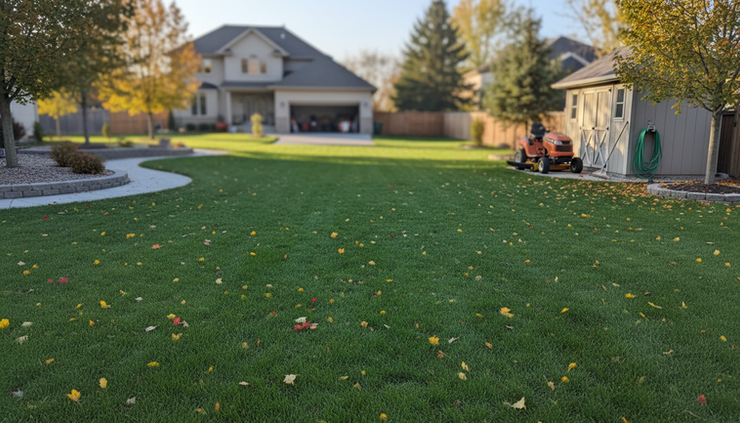
Fall is the season to strengthen the roots
Spring gets a lot of attention, but fall often does more for long-term lawn health. Cooler air reduces stress on grass blades, while the soil usually stays warm enough for roots to keep growing. That makes fall a useful time to feed, seed, aerate, and correct weak spots.
Many lawns come out of summer looking tired. Heat, foot traffic, dry spells, weeds, insects, and dull mower blades can all leave the turf thin or patchy. Fall gives grass a chance to recover without the same pressure from extreme heat.
The main goal is simple: help the lawn store energy before dormancy.
Healthy roots help grass:
Survive cold weather with less winter damage
Green up more evenly in spring
Compete better against weeds
Handle drought and foot traffic later in the year
Fill in thin areas before they become bare spots
The exact timing depends on local weather, but in much of Canada, fall lawn care usually begins when daytime temperatures become more moderate and the lawn starts growing actively again after summer. Waiting too long can limit results, especially for seeding, since new grass needs time to germinate and establish before frost.
Think of fall care as preparation, not decoration. The lawn may not look dramatically different overnight, but the work shows later.
Keep mowing, but change how you mow
One of the easiest fall mistakes is putting the mower away too early. Grass can keep growing well into autumn, especially when rain returns. Keep mowing as needed until growth slows for the season.
Avoid cutting the lawn extremely short in one pass. Scalping grass can expose crowns, stress the plant, and make it easier for weeds to settle in. At the same time, grass left too long going into winter can mat down under snow and trap moisture.
A balanced approach works best.
For most lawns, aim to:
Keep mowing while the grass is still growing
Cut no more than one-third of the blade at a time
Use sharp mower blades for a cleaner cut
Gradually lower the mowing height slightly near the final cuts, if needed
Avoid mowing when the lawn is soaked
Clippings can stay on the lawn when they are short and evenly spread. They break down and return nutrients to the soil. Thick clumps are different. Rake or spread them out so they do not smother grass.
The final mow of the season should leave the lawn tidy, even, and ready for snowfall. Grass that goes into winter clean and upright has a better chance of avoiding matted areas and fungal problems under snow cover.
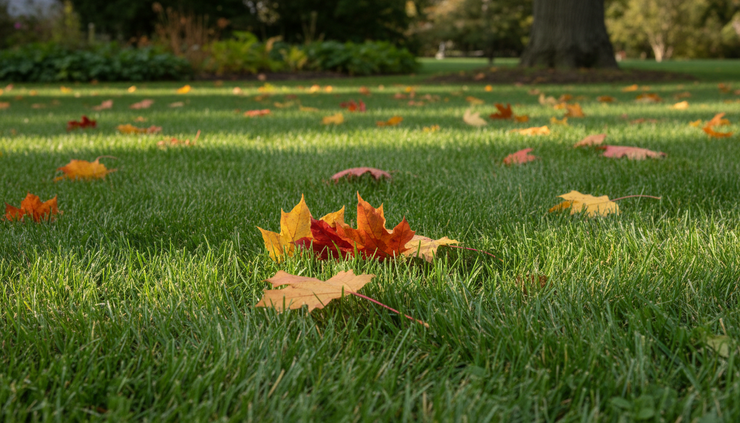
Remove leaves before they smother the grass
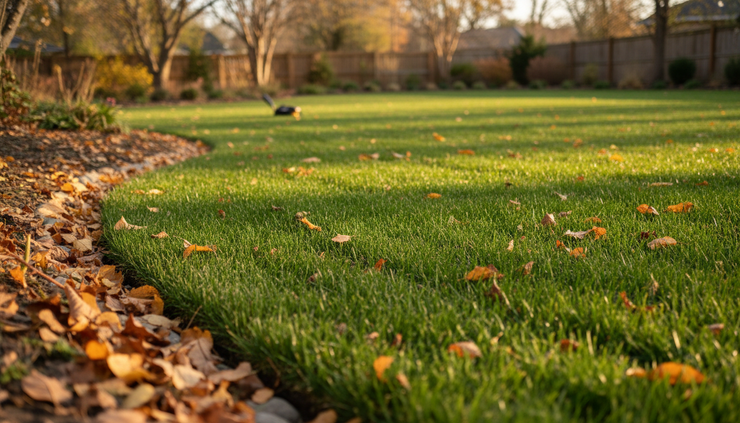
A light scattering of leaves is not a crisis. A thick, wet layer is. When leaves pile up and stay there, they block sunlight, trap moisture, and press grass down. That can leave yellow patches, bare spots, or mouldy areas by spring.
The best approach is to manage leaves in stages rather than waiting until the yard is buried.
There are three practical options:
Mulch leaves with a mower
Rake or blow heavy piles
Compost collected leaves
Best when leaves are dry and not too thick. Small leaf pieces can break down and feed the soil.
Best when leaves are wet, dense, or covering large areas. Grass still needs light and air.
Useful for turning yard waste into organic matter for gardens and future soil improvement.
Mulching works well when the mower can chop leaves into small pieces that fall between grass blades. If the lawn still looks covered after mowing, there are too many leaves. Remove some and try again.
Wet leaves deserve extra attention. They can form a dense mat quickly, especially on shaded lawns or low spots. Those areas often need more frequent cleanup because they dry slowly.
Leaf cleanup is not just about appearance. It protects the work done through the rest of fall, including fertilizing, aerating, and overseeding. New seed needs contact with soil and access to light. Existing grass needs air movement. A thick leaf blanket gets in the way of both.
Feed the lawn before winter dormancy
Fall feeding gives grass the nutrients it needs to build roots and store energy. A properly timed fertilizer application can support a stronger lawn through winter and help it green up more evenly in spring.
The right product and timing depend on the lawn, soil, and local conditions. Some lawns need more nitrogen to support recovery. Others may need a more balanced approach, especially if soil test results show low potassium or phosphorus. Many regions also have rules about fertilizer use near waterways, so product choice and application method matter.
A careful fall feeding plan should focus on:
Applying fertilizer when grass is actively growing
Using the right rate for the lawn size
Spreading it evenly to avoid stripes or burned areas
Keeping fertilizer off hard surfaces
Watering as directed on the product label
Following local fertilizer regulations
Avoid the “more is better” approach. Too much fertilizer can damage grass, waste money, and wash into storm drains. Even coverage matters as much as product selection.
Pemlan can help by assessing the lawn’s condition before applying treatments. A lawn that is thin because of compacted soil needs a different plan than one weakened by shade, poor drainage, or low fertility. Treating every lawn the same often leads to uneven results.
Good fall feeding works with the lawn’s actual needs, not a guess.
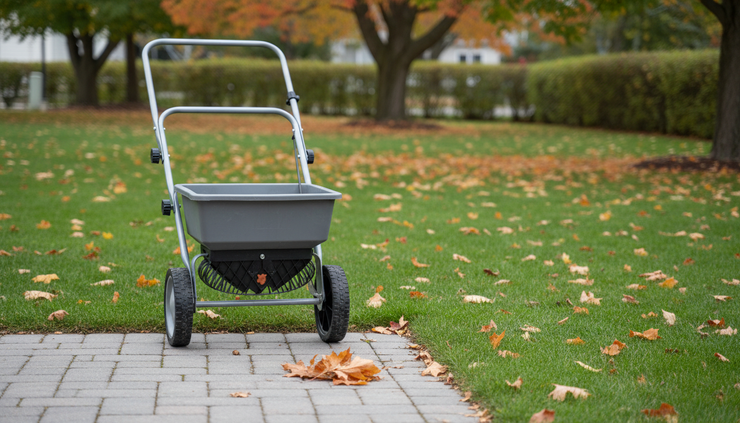
Repair thin and bare spots while soil is still warm
Fall is a strong season for overseeding because the soil is often warm, nights are cooler, and weed pressure tends to drop. Thin lawns can thicken up before winter if seed has enough time to germinate and develop roots.
Bare spots need more than throwing seed on top. Seed must touch soil to grow well. If it lands on thatch, compacted ground, or leaves, results will be poor.
A simple repair process looks like this:
Clear the area
Remove leaves, dead grass, stones, and debris so the soil surface is exposed.
Loosen the soil
Scratch the surface with a rake or use aeration in larger areas. Compacted soil makes it hard for roots to grow.
Add seed evenly
Use a grass seed suited to the site. Sunny areas, shaded lawns, and high-traffic zones may need different seed blends.
Topdress lightly
A thin layer of quality soil or compost can improve seed contact and help hold moisture. Do not bury seed too deeply.
Water gently
Keep the area consistently moist until seedlings establish. Heavy watering can wash seed away.
Timing matters. If seed goes down too late, seedlings may not mature enough before frost. If it goes down too early during hot, dry weather, watering becomes harder and germination may suffer.
For larger lawns, overseeding often works best after aeration. Aeration opens small holes in the soil, which helps water, oxygen, and seed reach the root zone. This is especially helpful on compacted lawns or areas with regular foot traffic.
Aerate compacted soil so roots can breathe
Soil compaction is easy to miss because it happens slowly. Over time, foot traffic, heavy equipment, pets, and regular mowing can press soil particles together. When that happens, water and air struggle to move through the root zone.
Signs of compaction include:
Water pooling or running off instead of soaking in
Grass thinning in paths or play areas
Hard soil that is difficult to push a screwdriver into
Slow recovery after dry weather
Patchy growth despite regular watering
Core aeration removes small plugs of soil from the lawn. This creates space for air, water, and nutrients to move deeper. It also gives roots room to grow and can improve the results of overseeding.
Fall is often the right time for aeration because grass is actively growing and can recover well. The lawn should be moist, not soaked or bone dry. Aerating dry, hard soil can be difficult and less effective. Aerating saturated soil can create mess and damage the surface.
After aeration, leave the soil cores on the lawn. They break down naturally and return soil to the surface. If overseeding is part of the plan, seed soon after aeration so it can settle into the openings.
Aeration is one of those jobs that looks simple, but the equipment, timing, and site conditions matter. Pemlan can help decide whether the lawn needs aeration, when to do it, and how to pair it with seeding or feeding for better results.
Water wisely as temperatures drop
Cooler weather can make people forget about watering. Grass still needs moisture in fall, especially after seeding or fertilizing. Rain may handle much of the work, but dry stretches can still happen.
Established lawns usually need less frequent watering in fall than they do in summer. New seed is different. Seedlings have shallow roots and dry out quickly. Light, frequent watering helps seed germinate, followed by deeper watering as the new grass develops.
A few fall watering tips:
Water early in the day so grass can dry before night
Avoid constant shallow watering on established turf
Keep newly seeded areas evenly moist
Reduce watering as growth slows and temperatures drop
Disconnect and winterize hoses or irrigation systems before freezing weather
Too much water can cause problems as well. Saturated soil limits oxygen and can make the lawn more prone to disease. The goal is steady moisture, not soggy ground.
If an irrigation system is part of the property, fall is also the time to prepare it for winter. Freezing water inside lines can cause damage. Follow the system instructions or arrange proper winterization before hard freezes arrive.
Control weeds before they spread again
Fall is a useful time to deal with some lawn weeds because many broadleaf weeds are still active and moving energy into their roots. That can make treatment more effective than a quick surface approach during summer heat.
Weed control works best when paired with better lawn health. A thick, well-fed lawn leaves less open space for weeds to germinate. Thin grass gives weeds room.
Start by identifying the problem. Dandelions, clover, creeping weeds, and grassy weeds may need different treatment methods. Pulling can work for small numbers, especially when soil is moist and roots come out cleanly. Larger weed problems may need a more structured plan.
Where weed control products are allowed, they should be used carefully and according to label directions. Local rules can vary, and some areas restrict certain herbicides. This is one place where professional help can prevent wasted effort and reduce the risk of damaging nearby plants.
Pemlan can help look at why weeds keep returning. Sometimes the issue is not the weed itself. It may be compacted soil, mowing too short, poor drainage, shade stress, or weak turf. Fixing those conditions helps reduce repeat problems.
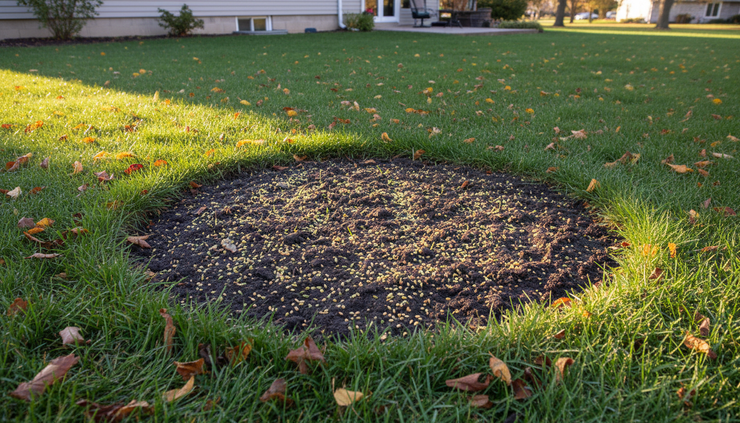
Prepare the lawn for snow, ice, and spring thaw
Late fall lawn care is mostly about cleanup and prevention. Once growth slows, the goal is to reduce anything that could damage grass under snow or during freeze-thaw cycles.
Before winter settles in, make sure to:
Remove heavy leaf piles
Put away toys, furniture, hoses, and garden items
Avoid parking equipment on the grass
Mark driveway or walkway edges if snow clearing may affect turf
Keep salt and ice melt away from lawn edges where possible
Finish the final mow before the grass stops growing
Salt damage is common along sidewalks and driveways. If de-icing products are needed, use them carefully and avoid pushing salty slush onto the lawn. In spring, those edges may need extra watering or soil repair to flush and recover.
Try to limit traffic on frozen or snow-covered grass. Walking paths can compact snow and ice, which may damage turf underneath. One shortcut across the lawn all winter can show up as a weak, brown strip during thaw.
These small habits make spring cleanup easier. They also protect the time and money spent on fall lawn care.
How Pemlan can help with fall lawn care
Fall lawn care has several moving parts. Mowing, leaf removal, feeding, aeration, overseeding, weed control, watering, and winter prep all affect each other. Doing one job at the wrong time can reduce the benefit of another.
Pemlan can help by building a practical plan based on lawn condition, weather, and seasonal timing. That support is useful when the lawn has more than one issue, such as thin grass, weeds, compaction, and poor growth in shade.
A fall lawn care plan from Pemlan may help with:
Spotting the difference between surface damage and root-zone problems
Choosing the right timing for aeration, seed, and fertilizer
Improving thin or patchy areas before winter
Reducing weed pressure with better turf health
Keeping seasonal tasks in the right order
Avoiding over-application of products
Preparing the lawn for a cleaner spring start
Professional care does not replace regular maintenance, but it can make that maintenance more effective. For example, mowing at the right height matters more after overseeding. Leaf cleanup matters more when new seed needs sunlight. Watering matters more after fertilizer or seed goes down.
Pemlan can also help take the guesswork out of repeat problems. If the same patch dies every year, there is usually a reason. It could be shade, drainage, compaction, pet activity, soil condition, or winter salt. Treating the symptom without finding the cause often leads to the same repair next season.
The best fall plan is specific, timed well, and realistic for the property.
A simple fall lawn care checklist
Fall grass care works best when it follows a clear order. Use this checklist as a seasonal guide.
Early fall
Inspect the lawn for thin spots, weeds, compaction, and drainage issues
Keep mowing while grass is actively growing
Start clearing leaves before they build up
Plan aeration and overseeding while soil is still warm
Mid fall
Aerate compacted lawns if conditions are right
Overseed thin areas
Apply fall fertilizer at the proper rate
Water seeded areas consistently
Continue leaf cleanup
Late fall
Make the final mow when growth slows
Remove thick leaf cover before snow
Put away hoses, furniture, and lawn items
Protect lawn edges from salt and snow-clearing damage
Avoid heavy traffic on dormant or frozen grass
A healthy lawn does not come from one perfect weekend. It comes from doing the right jobs at the right time and avoiding the mistakes that weaken grass before winter.
Fall is the season to build roots, repair damage, and set up next year’s growth. With steady maintenance and the right support from Pemlan, the lawn can head into winter stronger and come back in spring with fewer bare spots, less stress, and a better foundation for the growing season ahead.


Comments